Best Glass Cleaner for Car Windows, Windshields and Home Mirrors in India
Streaks, water spots and haze on car windows and mirrors? Learn what makes a good glass cleaner, how to get a streak-free finish, and why one multi-surface spray can replace your separate glass cleaner.
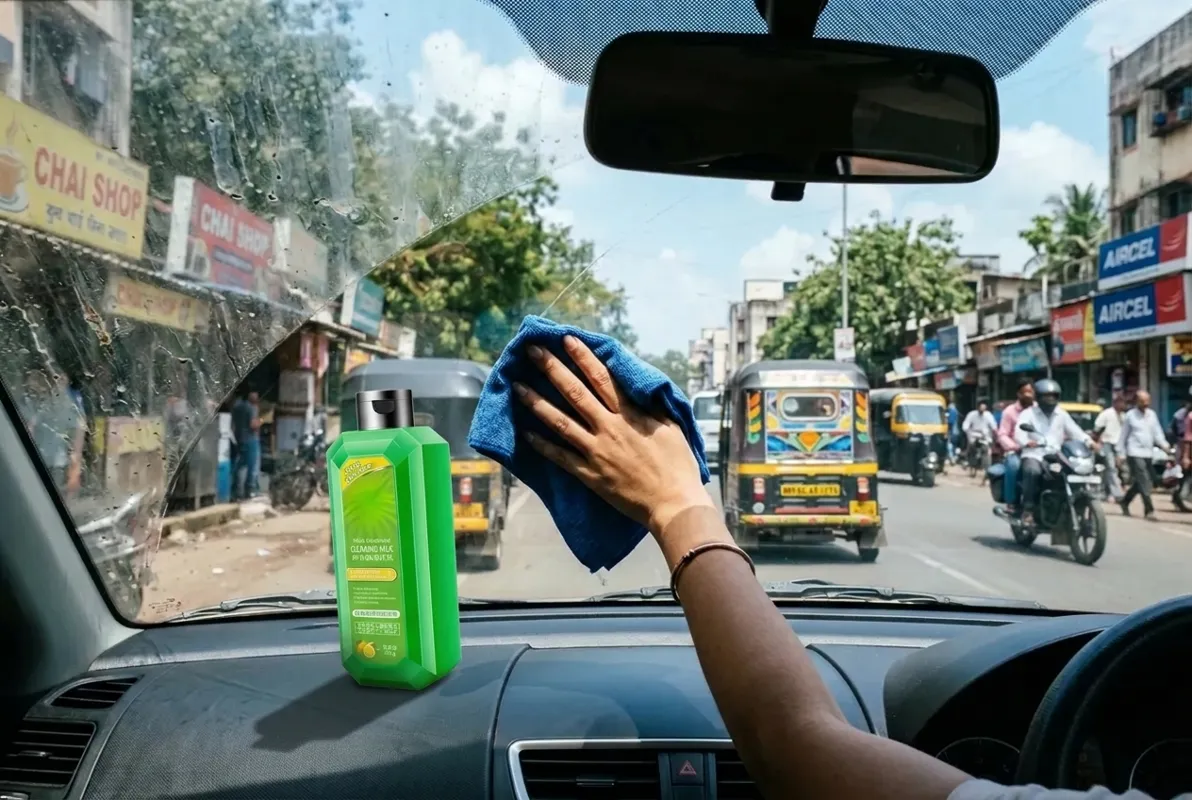
Why car windows and mirrors look hazy even after cleaning
Glass looks dirty for three reasons, and plain water fixes none of them:
- Oil film — from fingers, AC vents, cooking vapour (kitchen windows) and road grime. This is what causes night-time glare on the windshield.
- Hard-water spots — dried mineral rings from rain, car wash water or bathroom splashes.
- Soap residue — most "glass cleaners" and shampoos leave a thin film that shows up as streaks in sunlight.
A proper glass cleaner has to cut through oil and dissolve minerals, then evaporate without leaving anything behind.
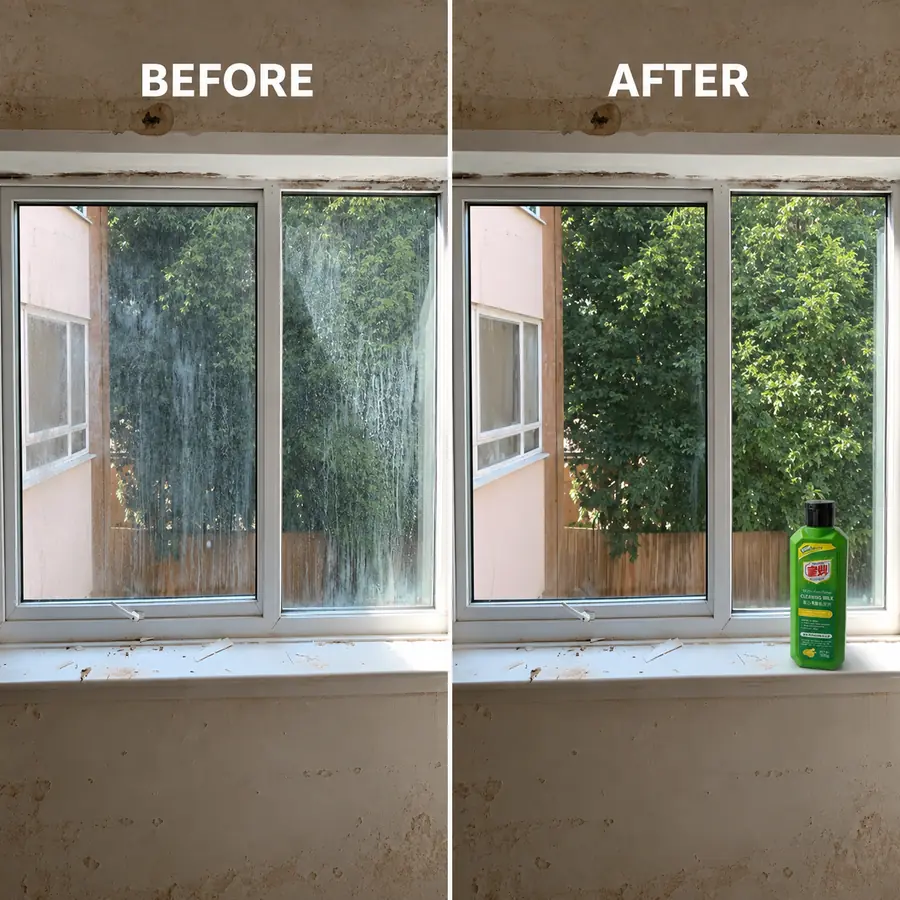
How to clean car windows without streaks
Inside the windshield
The inside gets a sticky haze from the dashboard plastic (it off-gasses in the sun) and from AC air. Spray make2shine® on a microfiber cloth — not directly on the glass, so it does not drip on the dashboard. Wipe in straight horizontal lines, then buff with a second dry cloth.
Outside glass
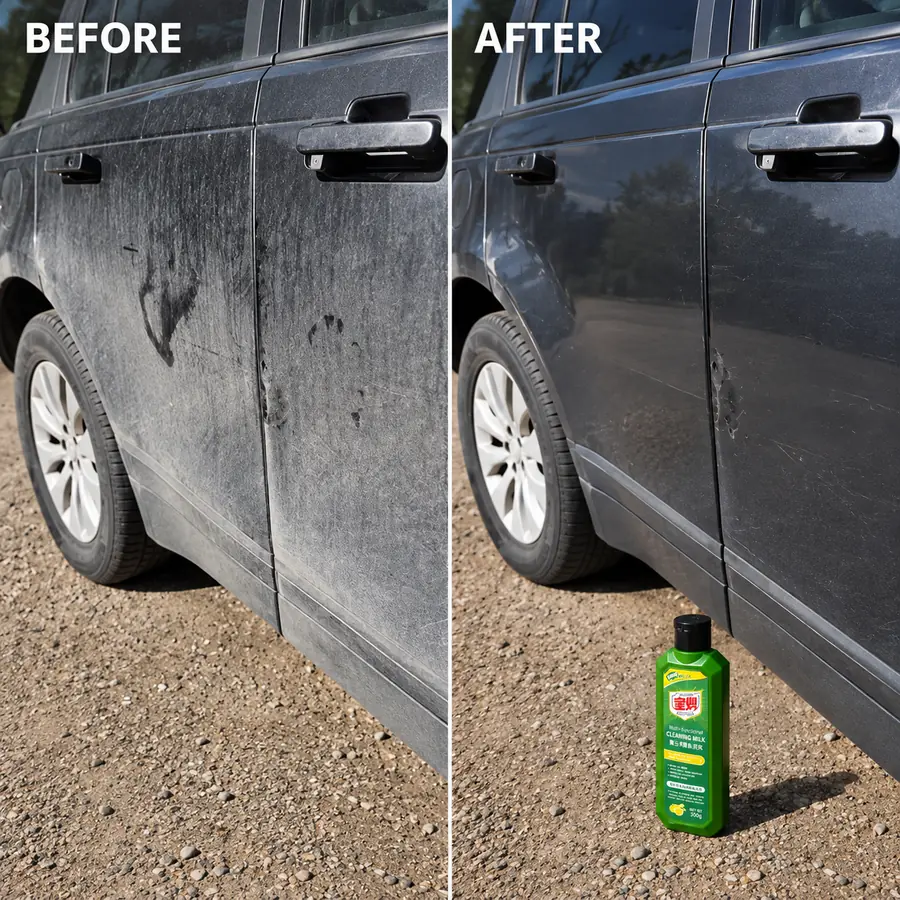
Park in the shade. Spray directly on the glass, wipe with a damp microfiber, then dry. For bird droppings or tree sap, spray, wait 60 seconds, and it wipes off without scratching.
Side mirrors and rear glass
Same method. For the rear windshield, wipe horizontally only, following the defogger lines, so you do not damage them.
Home mirrors, windows and glass tables
- Bathroom mirror — toothpaste spots and hard-water film come off with one spray and wipe.
- Window glass — spray, wipe with a damp cloth, then dry with newspaper or a dry microfiber for zero streaks.
- Glass dining table and TV cabinet — spray lightly on the cloth, wipe, done. Safe around the wooden frame.
- Mobile and laptop screens — spray on the cloth only, never on the device.
The microfiber rule
Half of streak-free cleaning is the cloth. Cotton rags leave lint, and old T-shirts spread oil around. Use two microfiber cloths: one slightly damp for cleaning, one dry for buffing. (Every prepaid make2shine® order ships with a free Japanese-style microfiber cloth for exactly this reason.)
Do you really need a separate glass cleaner?
Not any more. Older glass cleaners were made only for glass because they were weak on grease. make2shine® handles glass, mirrors, chrome, tiles, steel and plastic with the same bottle — so the spray you keep in the car boot also cleans the dashboard, door panels and alloy wheels.
Frequently asked questions
Will it damage tinted windows or sun film? No. It has no ammonia, which is what damages tint. Spray on the cloth and wipe gently on filmed glass.
Can I use it on the car's touchscreen? Spray on the microfiber cloth, wipe the screen, and dry. Do not spray directly on any electronics.
Does it leave a smell inside the car? No. It is low-odour and the smell is gone in a minute with the windows open.

More guides
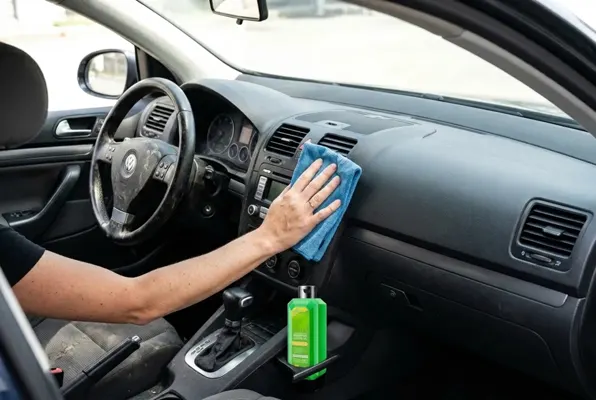
Car Interior Cleaning at Home — Dashboard, Seats, Door Panels and Steering Wheel
Sticky dashboard, dusty AC vents, greasy steering wheel and stained door panels? A step-by-step home guide to cleaning your car interior with one spray, without the shiny, oily finish that cheap dashboard polishes leave behind.
Read guide →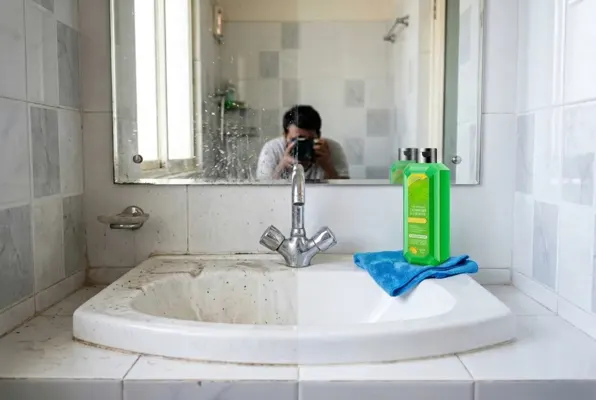
How to Clean Bathroom Tiles, Washbasin and Taps — A 10-Minute Weekly Routine
Soap scum on tiles, a dull washbasin, cloudy taps and black grout — here is a practical weekly bathroom cleaning routine for Indian homes that takes 10 minutes and does not need acid or scrubbing.
Read guide →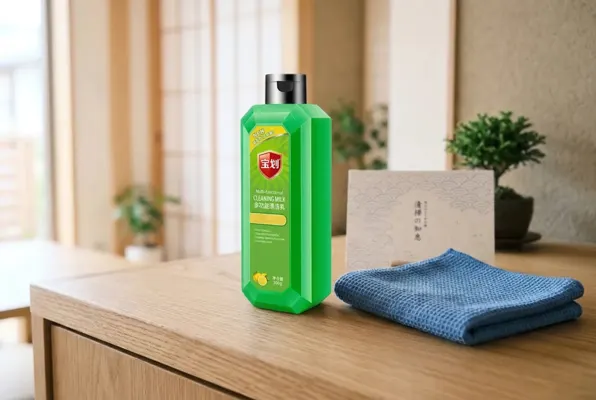
Japanese Cleaning Products in India — What Makes a Japanese Cleaner Different?
Japanese cleaning sprays have become popular in India for a reason. We explain what is different about the Japanese approach to home cleaning, how to spot an original product, and what to expect from a Japanese multi-cleaner.
Read guide →